
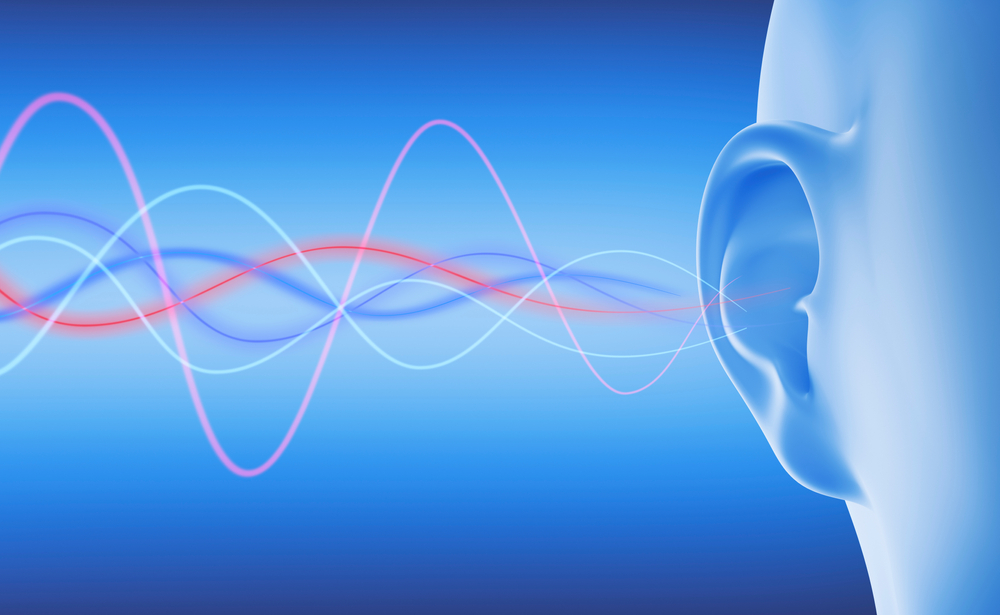
Anxiety has become a pervasive issue that affects people of all ages. From racing thoughts and restlessness to physical symptoms like tension and rapid heartbeat, anxiety can manifest in many forms and disrupt daily life. Traditional approaches like medication and talk therapy have proven useful, but a growing number of individuals are turning toward more integrative methods that address both mind and body. Two such methods gaining traction are sound therapy and neurofeedback. When combined, they provide a powerful, science-backed pathway to stillness and recovery. Especially in places like Scottsdale, Arizona, where holistic mental health care is flourishing, these techniques are becoming central to modern anxiety treatment.
Understanding Sound Therapy for Anxiety
Sound therapy, sometimes referred to as sound healing, is not just a trend rooted in ancient practices. It has gained scientific credibility for its ability to regulate the nervous system and promote relaxation. At its core, sound therapy uses specific tones, frequencies, and rhythms to positively influence the brain and body. Instruments such as tuning forks, gongs, Tibetan singing bowls, and even the human voice are utilized to create vibrations that help quiet mental chatter and release emotional tension.
What makes sound therapy effective for anxiety is its ability to induce what is known as the “relaxation response.” This is the body’s natural counter to the stress response and includes lowered heart rate, reduced blood pressure, and the activation of the parasympathetic nervous system. When a person lies in a sound bath, their brainwaves often shift from high-frequency beta waves, associated with alertness and anxiety, to lower-frequency alpha and theta waves, which are linked to relaxation and deep meditation. Over time, repeated exposure to these frequencies can rewire stress patterns, making sound therapy for anxiety a potent and non-invasive tool.
In Scottsdale, a city known for its commitment to wellness and innovation in mental health care, sound therapy is offered in many holistic treatment centers. Clients report that sessions not only calm their immediate symptoms but also enhance their long-term emotional resilience.
The Neuroscience of Neurofeedback
While sound therapy works through auditory and vibrational stimulation, neurofeedback operates at the level of brainwave activity. Neurofeedback is a type of biofeedback that provides real-time information about brain function, allowing individuals to learn how to self-regulate their mental states. Through sensors placed on the scalp, brainwave patterns are monitored and displayed on a screen. When the brain produces desired activity (such as calm, focused waves), the system rewards it with visual or auditory cues, reinforcing those patterns.
The beauty of neurofeedback for mental health is that it empowers the brain to optimize itself without the need for medication. In the context of anxiety, neurofeedback helps reduce excessive high-frequency beta waves, which are often linked to anxious thinking, and encourages the production of balanced, coherent brainwave activity. Over multiple sessions, clients can train their brains to stay more centered and less reactive to stressors.
What sets neurofeedback apart is its lasting impact. Once new neural pathways are established, the changes can be sustained even after therapy concludes. This makes it an ideal method not only for managing anxiety but also for addressing related conditions such as insomnia, attention deficits, and even components of OCD. Clinics offering holistic OCD treatment in Arizona are increasingly incorporating neurofeedback into their care plans, recognizing its value in supporting long-term recovery.
Bridging the Modalities: Sound and Neurofeedback Together
Though powerful on their own, sound therapy and neurofeedback create a synergistic effect when combined. Sound therapy enhances the body’s natural rhythms and brings immediate calm, making it an excellent primer for neurofeedback sessions. When clients begin neurofeedback training from a more relaxed state, their brains are more receptive to learning and adaptation.
The reverse is also true. Neurofeedback sessions can pave the way for deeper sound healing experiences by improving emotional regulation and reducing mental resistance. The two modalities complement each other by working on different dimensions of the nervous system. One operates through sensory and vibrational input, the other through cognitive feedback loops. Together, they form a comprehensive approach that supports both immediate relief and long-term transformation.
This integrative approach is particularly appealing to individuals seeking holistic anxiety recovery in Scottsdale and the greater Arizona region. These therapies align with a growing demand for solutions that treat the whole person rather than just the symptoms. By combining neurofeedback for mental health with sound healing, practitioners are crafting highly personalized, non-invasive treatment plans that respect the uniqueness of each individual.
Scottsdale: A Hub for Integrative Anxiety Care
Scottsdale has positioned itself at the forefront of progressive mental health care. The city offers a rich ecosystem of clinics, therapists, and wellness centers that specialize in integrative approaches. Sound therapy and neurofeedback are not fringe options here; they are becoming core components of anxiety and OCD recovery programs.
Many residents are drawn to Scottsdale not only for its natural beauty but also for its commitment to healing modalities that honor both science and spirit. The availability of holistic OCD treatment and advanced neurofeedback programs means that individuals struggling with anxiety do not have to choose between traditional or alternative care. Instead, they can benefit from a model that blends the best of both worlds.
From high-end retreat centers to specialized outpatient clinics, Scottsdale offers a diverse range of services for those interested in exploring sound therapy for anxiety and related treatments. These programs often incorporate additional elements such as breathwork, mindfulness, nutritional counseling, and trauma-informed therapy, providing a truly integrative anxiety care experience.
The Future of Mental Health: Integration Over Isolation
As the mental health field evolves, the siloed model of treatment is being replaced by a more collaborative, multidisciplinary approach. Sound therapy and neurofeedback are perfect examples of how different tools can converge to support a shared goal: sustainable emotional well-being.
Science continues to validate what ancient traditions have long understood. Vibration, rhythm, and feedback are not just metaphors for healing, they are mechanisms through which the body and brain restore balance. With advancements in technology and an increasing openness to holistic methods, mental health care is entering a new era of innovation and compassion.
For those navigating anxiety, especially in regions like Arizona where integrative resources are plentiful, the future looks promising. Combining tools like sound healing and neurofeedback offers not only symptom relief but a deeper recalibration of the nervous system. It invites individuals to shift from survival mode into a life of greater presence, ease, and clarity.
Conclusion
Anxiety may be a complex condition, but the pathways to healing are becoming more accessible and comprehensive. Sound therapy for anxiety offers a deeply calming experience that works through vibrational harmony, while neurofeedback for mental health rewires the brain for stability and resilience. When used together, these modalities accelerate recovery by engaging both the body and mind in the healing process.
In places like Scottsdale, Arizona, where the wellness landscape embraces innovation and integrative care, individuals have the opportunity to experience these therapies in supportive, expert-led environments. Whether someone is exploring options for holistic OCD treatment or simply seeking peace from chronic stress, sound therapy and neurofeedback offer a promising path forward. The science of stillness is not about doing less, but about doing what truly restores balance from within.
Need an Outpatient OCD & Anxiety Treatment Center Near You?
At The Scoggan Institute, we’re passionate about helping individuals reclaim their lives from the grip of OCD and anxiety. Using proven, evidence-based therapies like CBT and ERP, alongside integrative approaches such as ACT, DBT, and acoustic interventions, we tailor every treatment plan to the unique needs of each client. Whether you’re seeking individual sessions, a structured intensive program, or the support of group therapy, we’re here to guide you every step of the way. With services available nationwide for children, teens, and adults, we invite you to reach out today and take that first, empowering step toward lasting wellness.